5 Irrigation Trends That Will Shape 2026 (and How to Get Ahead Now)
5 Irrigation Trends That Will Shape 2026 (and How to Get Ahead Now)
Jan 15, 2026
5 Irrigation Trends That Will Shape 2026 (and How to Get Ahead Now)
January is when smart property owners and operators stop reacting and start planning.
Water costs are rising. Climate patterns are less predictable. Expectations around sustainability and efficiency are higher than ever. In 2026, irrigation is no longer about keeping landscapes alive. It is about protecting assets, controlling costs, and using technology intelligently.
Whether you manage commercial properties, build residential communities, oversee an HOA, or work in irrigation, these are the five trends that will define the year ahead and how to stay ahead of them.
1. Smart Irrigation Is No Longer Optional
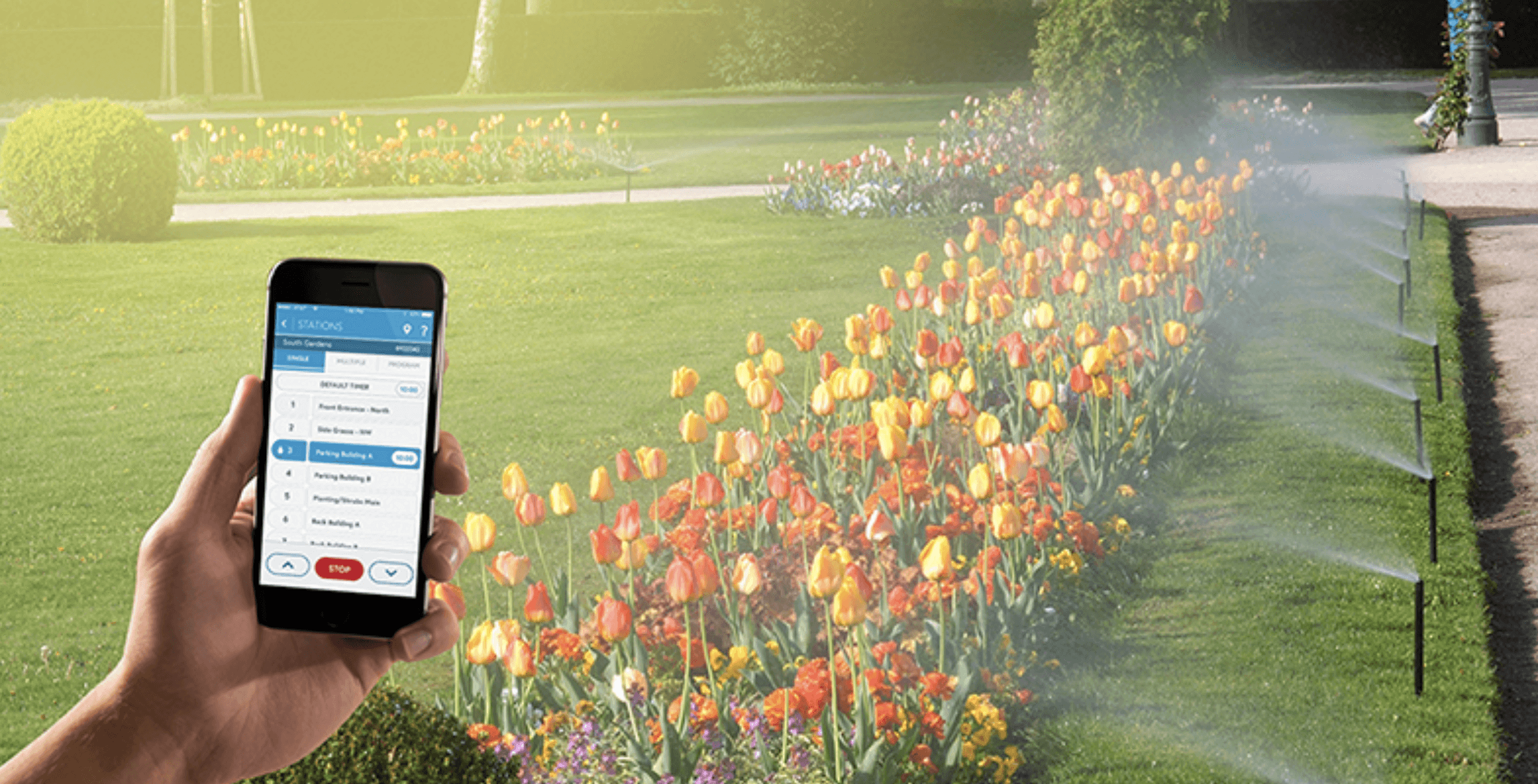
Manual timers and static schedules are officially outdated. Smart irrigation systems that adjust watering based on real-time weather data, soil conditions, and usage patterns are quickly becoming the baseline expectation.
What this means in practice:
Systems that pause watering automatically when rain is detected
Controllers that adapt schedules during heat waves or cooler months
Remote access that allows monitoring and adjustments without being onsite
In 2026, if your system cannot think for itself, it is costing you money.
2. Water Efficiency Is a Financial Strategy
Sustainability is no longer just a branding angle. It is a bottom-line issue. With tighter water regulations and rising utility rates, efficient irrigation directly impacts operating costs.
Property owners are prioritizing:
Reduced water waste
Accurate watering based on actual plant needs
Long-term savings through smarter system design
Efficient irrigation is not about using less water at all costs. It is about using the right amount of water in the right places.
3. Preventative Maintenance Is Replacing Emergency Repairs
Reactive service models are fading fast. Waiting for pumps to fail or systems to break down leads to higher repair costs, landscape damage, and downtime.
Preventative maintenance plans are becoming the standard because they:
Identify issues before they escalate
Extend the lifespan of irrigation infrastructure
Provide predictable monthly costs instead of surprise repairs
In 2026, reliability will matter more than speed. Clients want systems that do not fail in the first place.
4. Climate-Responsive Design Is Taking Over
One-size-fits-all irrigation no longer works. Different zones, plant types, soil conditions, and sun exposure require different watering strategies.
The shift is toward:
Hydrozoning to group plants by water needs
Drip and micro-irrigation in sensitive or high-value areas
Systems that adapt seasonally and respond to climate variability
Precision is becoming the new luxury in landscape irrigation.
5. Data Is Becoming a Competitive Advantage
The future of irrigation is measurable. Advanced systems now provide detailed insights into water usage, system performance, and potential inefficiencies.
Forward-thinking operators are using data to:
Track water consumption over time
Detect leaks or failures early
Justify upgrades and improvements with clear metrics
Data turns irrigation from a maintenance expense into a strategic asset.
The Bottom Line
2026 will reward those who plan ahead.
The most successful irrigation strategies will be proactive, data-driven, and designed with long-term efficiency in mind. January is the moment to assess what is working, what is outdated, and where smarter systems can deliver real savings and resilience.
Irrigation is no longer background infrastructure. It is part of how properties protect value and prepare for the future.